Offshore Powerboat Racing: The Rise and Fall of Big Sponsors
Offshore powerboat racing peaked in the 1970s-90s with fast boats and sponsors like Coca-Cola. Costs, ad bans, and crashes cut support.
September 30, 2025
Offshore powerboat racing was a thrilling spectacle from the 1970s into the 1990s, with fast boats, celebrity racers, and major corporate sponsors. This article explores the sport’s peak, its iconic owner-racers, key sponsors like Coca-Cola and Revlon, the role of tobacco brands, and why sponsorships declined.
The Golden Era of Offshore Powerboat Racing
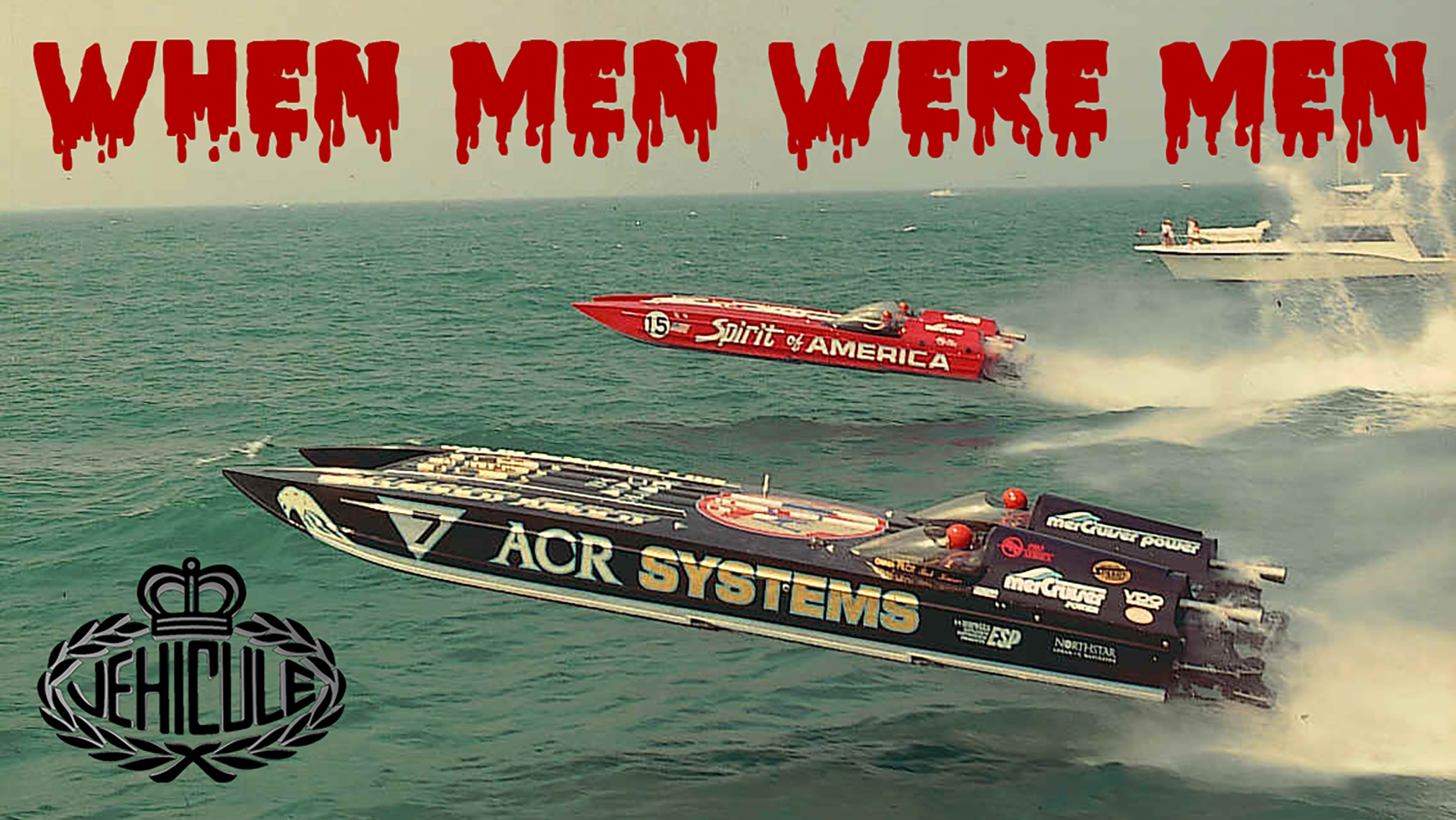
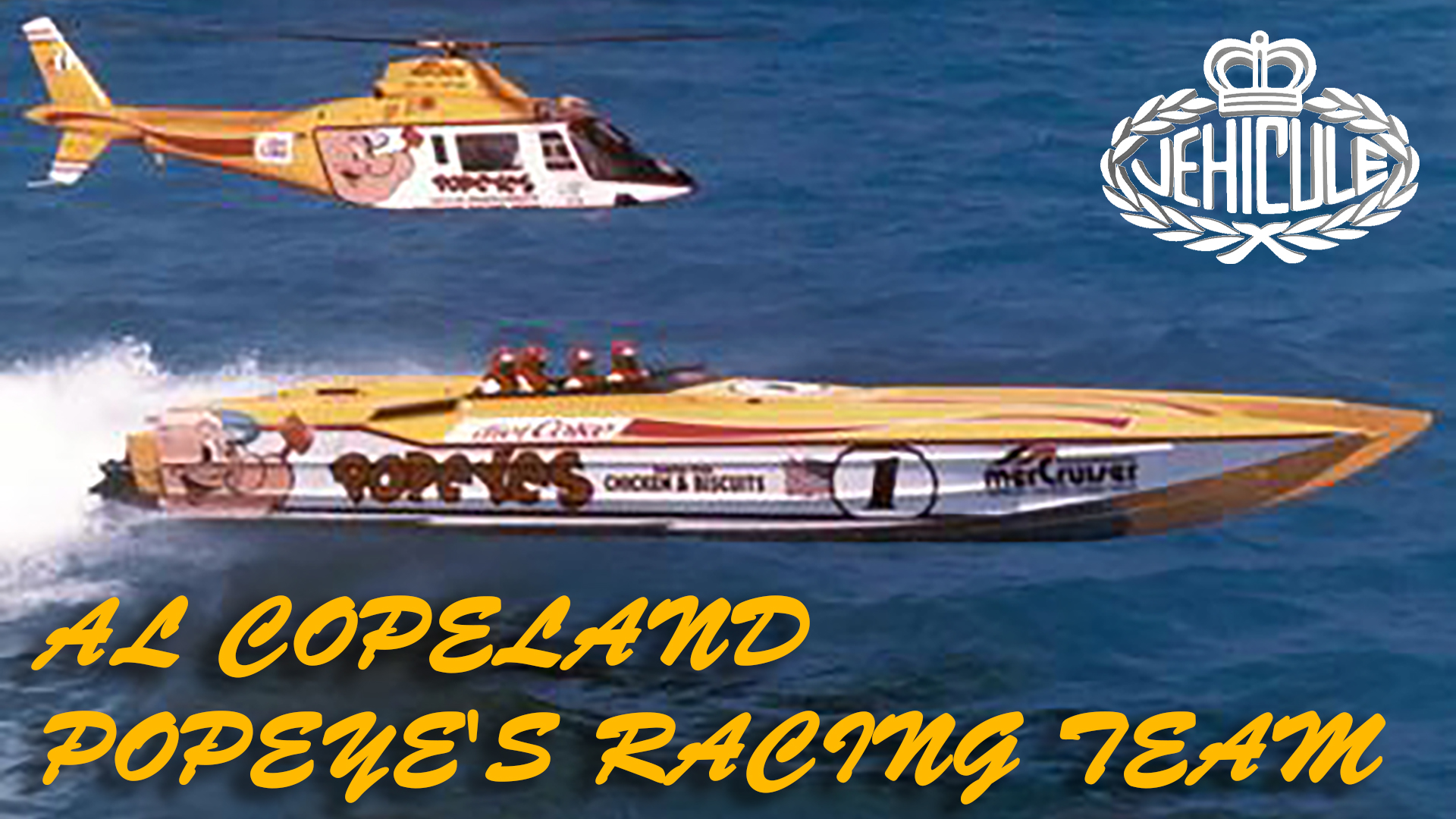
In its heyday, offshore powerboat racing drew huge crowds to events like the Miami-Nassau race. Televised coverage brought in celebrities and wealthy fans, making it a perfect stage for big brands. Companies saw boats as floating billboards, reaching affluent audiences with logos on hulls speeding at 160 mph. Major sponsors included Coca-Cola, which backed Al Copeland’s Popeyes Fried Chicken team, and Budweiser, which supported U.S. teams and races. Michelob Light funded KAAMA Racing’s 38-foot Kevlar Formula boat, while Revlon sponsored Miami Vice star Don Johnson’s boat, tying in with his girlfriend Melanie Griffith, a Revlon campaign face, for extra star power.

Image by VÉHICULE
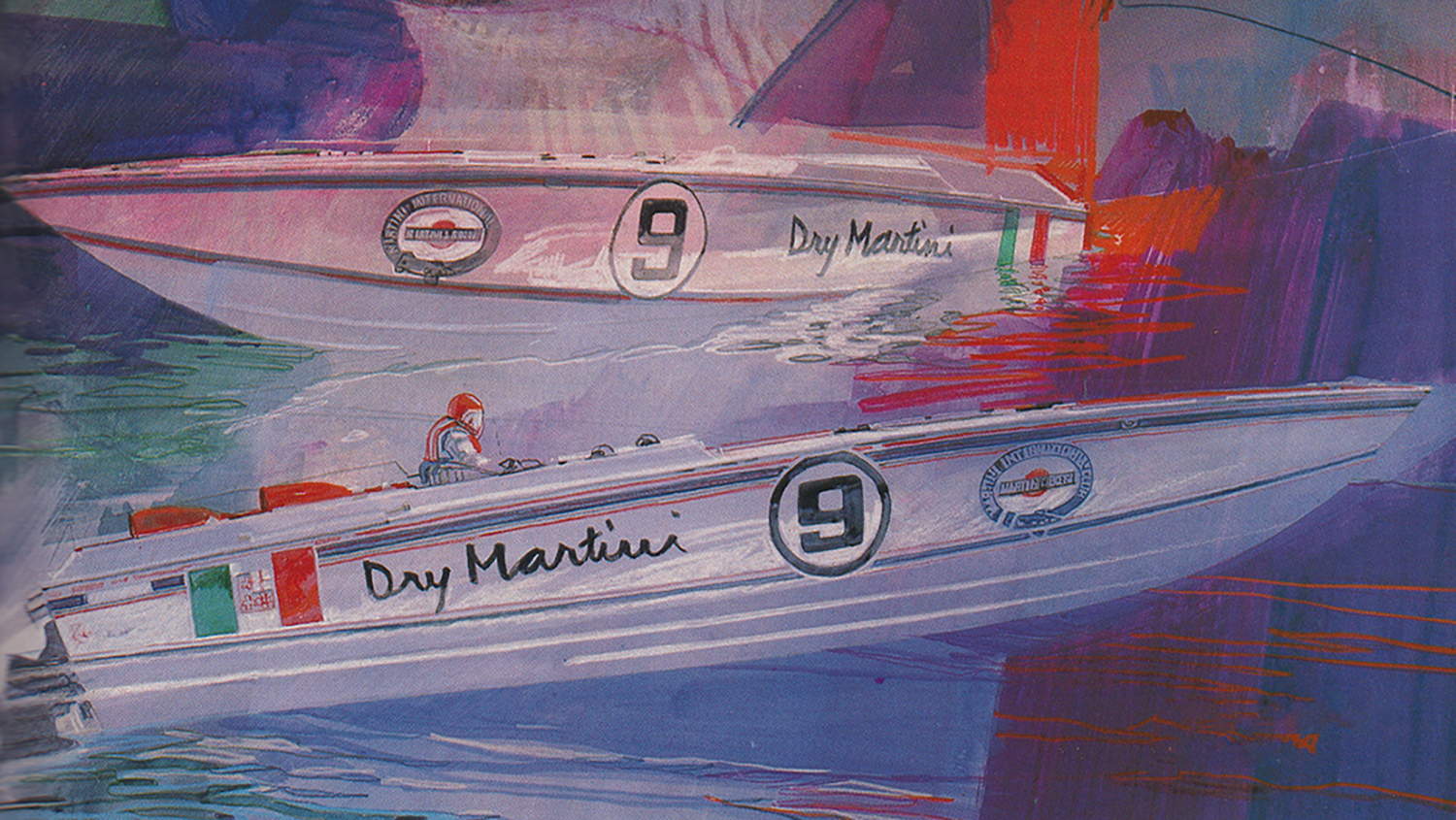
Tobacco brands loved the sport’s allure of living on the edge. Lucky Strike supported teams like Scuderia Scribante, Marlboro backed UIM Class 1 entries, and Winston funded Fountain Powerboats’ Open Class boats.

Image by VÉHICULE
Owner-Racers: Business Meets Thrill
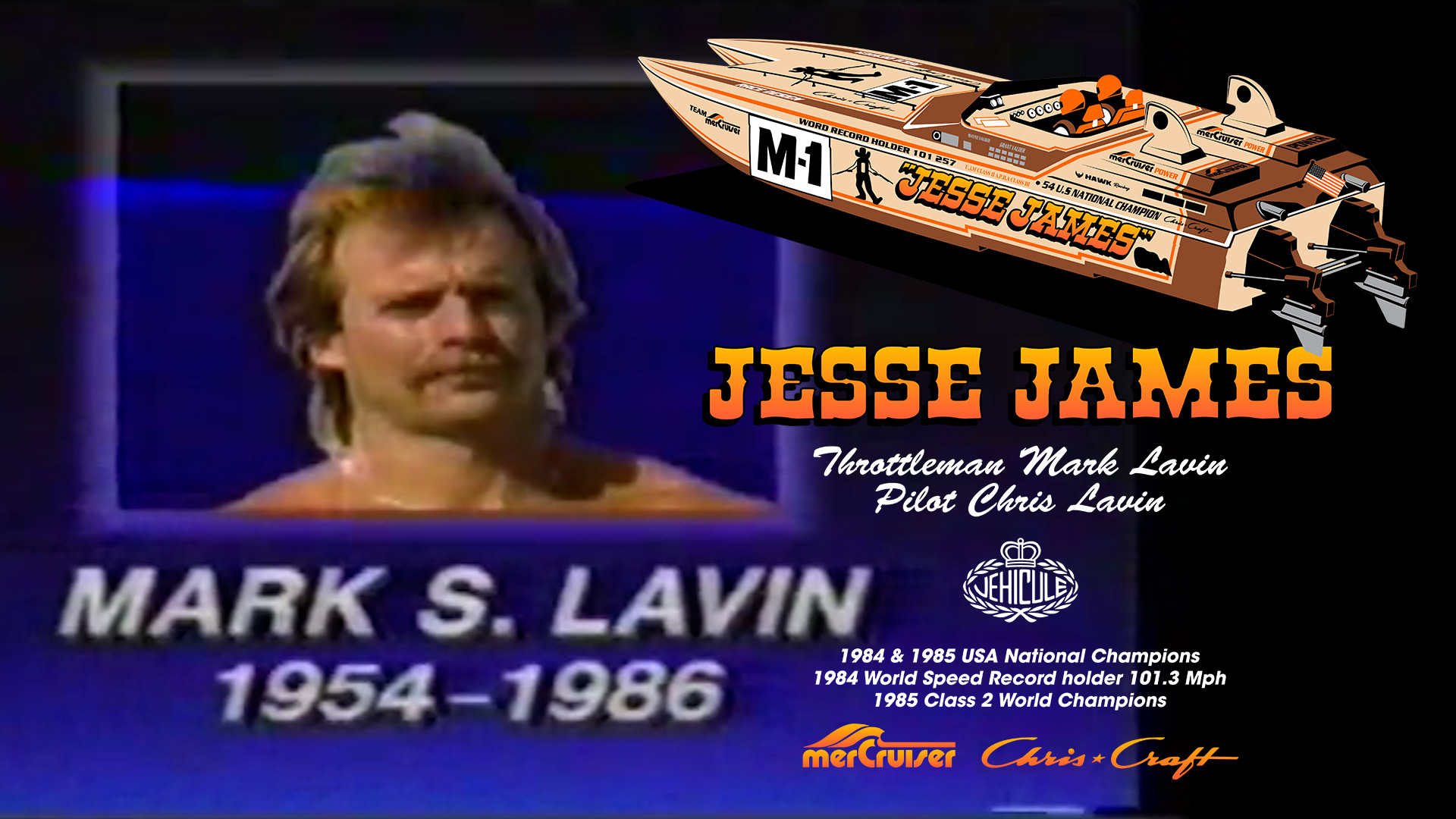
Wealthy owner-racers drove the sport’s popularity, mixing business promotion with high-speed passion. Al Copeland, founder of Popeyes Fried Chicken, started racing in 1980 with 50-foot Cougar catamarans powered by four 700-hp Mercury engines. His Popeyes/Diet Coke team won six U.S. National Championships from 1982 to 1987 and hosted lavish events with stars like Chuck Norris. His 120-foot Cajun Princess yacht was a race-weekend party hub, boosting the sport’s glamour.

Image by VÉHICULE
Mike Ilitch, founder of Little Caesars Pizza, sponsored a 47-foot Apache V-hull boat. In 1989, driven by Pete Markey and throttled by 22-year-old Tres Martin—the youngest Superboat winner—it clinched the Superboat World Championship. These owners spent millions, turning races into media spectacles.

Image by VÉHICULE
Why Sponsorships Declined
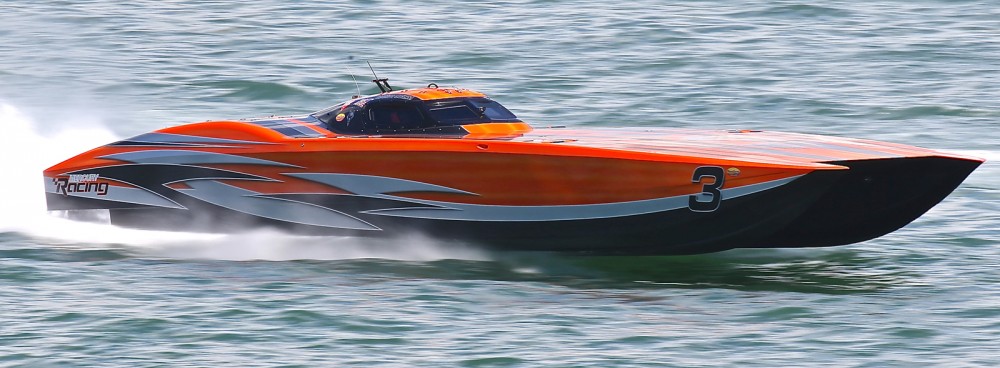
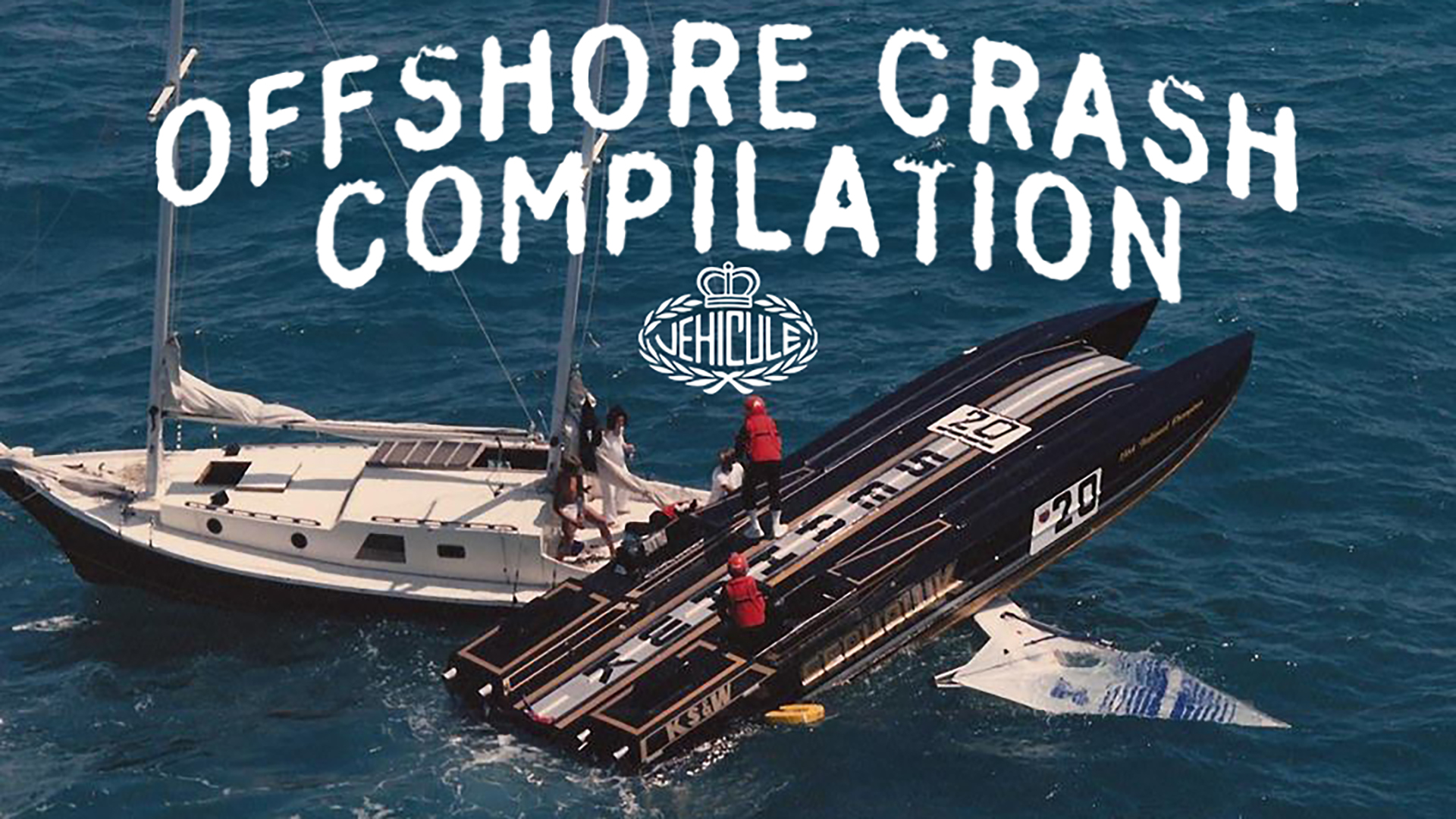
By the early 1990s, sponsorships dwindled as costs soared—boats cost $600,000 to $1 million, with 1,850-hp engines needing constant upkeep, limiting teams to the ultra-rich. The 1998 Tobacco Master Settlement banned cigarette ads, and alcohol ad restrictions followed, pushing brands like Lucky Strike and Budweiser out. Fatal crashes in Class 1 races hurt the sport’s image, and TV networks dropped coverage, favoring easier-to-film events. Race fields shrank from over 75 teams to under 50.

Image by VÉHICULE
Circuits like APBA and Super Boat International adapted with shorter, spectator-friendly courses but relied on private backers or smaller sponsors like XINSURANCE. By 2023, events like the Sarasota Grand Prix struggled to raise $14,000 in total sponsorship funds, a far cry from the six-figure deals of the 1980s.

Image by VÉHICULE
Geico’s Exit: A Final Blow
In August 2021, Geico Insurance ended its 14-year sponsorship of Miss Geico, a 50-foot Mystic catamaran with twin turbines hitting 210 mph. Owned by AMF Riviera Beach and driven by stars like Travis Pastrana, the team won five straight World Championships from 2006 to 2010. Geico cited a mutual decision to part ways after mechanical issues, but the exit showed how tough it was to keep corporate sponsors in a costly, high-risk sport with a shrinking audience. It left a major gap in Class 1 racing.

Image by VÉHICULE
The Legacy of Offshore Racing’s Sponsors
Offshore powerboat racing’s peak was defined by big brands and bold owner-racers. Sponsors like Coca-Cola, Revlon, and tobacco giants fueled the sport’s glamour, but rising costs, ad bans, and safety concerns led to a decline. Geico’s 2021 exit marked the end of an era, leaving the sport reliant on smaller sponsors and a dedicated but smaller fanbase.

Image by VÉHICULE